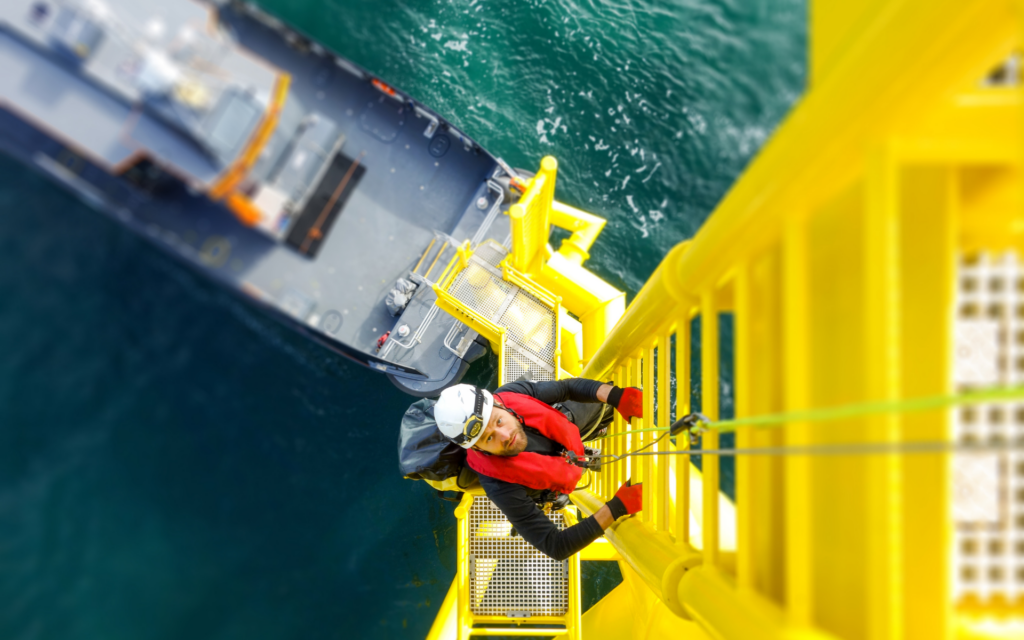
If you’ve been following Atlantic Canada’s energy news lately, you’ve probably seen the name Wind West everywhere — in federal announcements, Nova Scotia government releases, and headlines about billion-dollar offshore projects. And if you’re picturing a map, it probably struck you as backwards: the wind in question is off Nova Scotia’s east coast, out in the Atlantic. So why “west”?
It’s a fair question. Here’s the decode.
Wind West Is About Where the Power Is Going, Not Where the Wind Is
Wind West Atlantic Energy is the term the federal government coined for Canada’s first offshore wind development — a plan to harness the more than 60 gigawatts of offshore wind potential off Nova Scotia and the wider Atlantic region. The wind resource itself is squarely on the east coast.
The “west” in the name refers to the direction the energy is meant to travel once it’s generated: from the Atlantic coast, westward, into the rest of the Canadian grid. It’s a naming convention that echoes a long pattern in Canadian infrastructure — railways, pipelines, and transmission corridors that have historically moved resources from where they’re produced toward the provinces and markets that need them. Wind West fits that same east-to-west energy corridor thinking, just with turbines instead of tracks.
The Scale Behind the Name
This isn’t a small pilot project. A few numbers that put it in perspective:
- The first phase alone is estimated to cost about $60 billion and could produce roughly 5 gigawatts of power as early as 2033.
- Unlocking that first 5,000 megawatts could generate about 24 terawatt-hours of clean energy annually.
- Nova Scotia's offshore wind potential could power roughly a quarter of Canada's total electricity needs.
To get there, the region will need significant upgrades to transmission infrastructure — the literal wires that make “west” possible.
Where the Project Stands Right Now
- In August 2025, the federal government established the Major Projects Office (MPO) under the Building Canada Act to fast-track nation-building projects.
- In September 2025, Wind West Atlantic Energy was named as a "truly transformative" strategy under the MPO's mandate, and the Canada–Nova Scotia Offshore Energy Regulator received formal strategic direction to launch Canada's first call for bids for offshore wind seabed licences.
- By early 2026, the regulator had run a prequalification process, and the qualified bidders list was released — including companies from Belgium, China, Ireland, Luxembourg, South Korea, and Canada.
- Natural Resources Canada has already put funding behind related work, including support for Mersey River Wind and a transmission pre-feasibility study through Net Zero Atlantic.
Why the Name Matters More Than It Seems
Names like Wind West aren’t just branding — they signal intent. Calling this an east-to-west project, rather than simply “Nova Scotia offshore wind,” frames it from the start as a national energy strategy, not a regional one. That framing matters for how the project gets funded, who gets a say in its development (including Indigenous communities through the MPO’s Indigenous Advisory Council), and how Atlantic Canadians should think about their role in it — not just as hosts of the turbines, but as the starting point of a much bigger grid.
So the next time someone asks why it’s called Wind West when the wind is clearly coming from the east coast — now you know: it was never about where the wind blows from. It’s about where the power is headed.
Stay Plugged In
Enjoyed this? There’s more where that came from.
Subscribe to the newsletter – the stories, data, decoding of complicated information, and voices shaping Atlantic Canada’s energy future, straight to your inbox.
Watch the podcast – in-depth conversations with the people building this region’s clean energy economy.